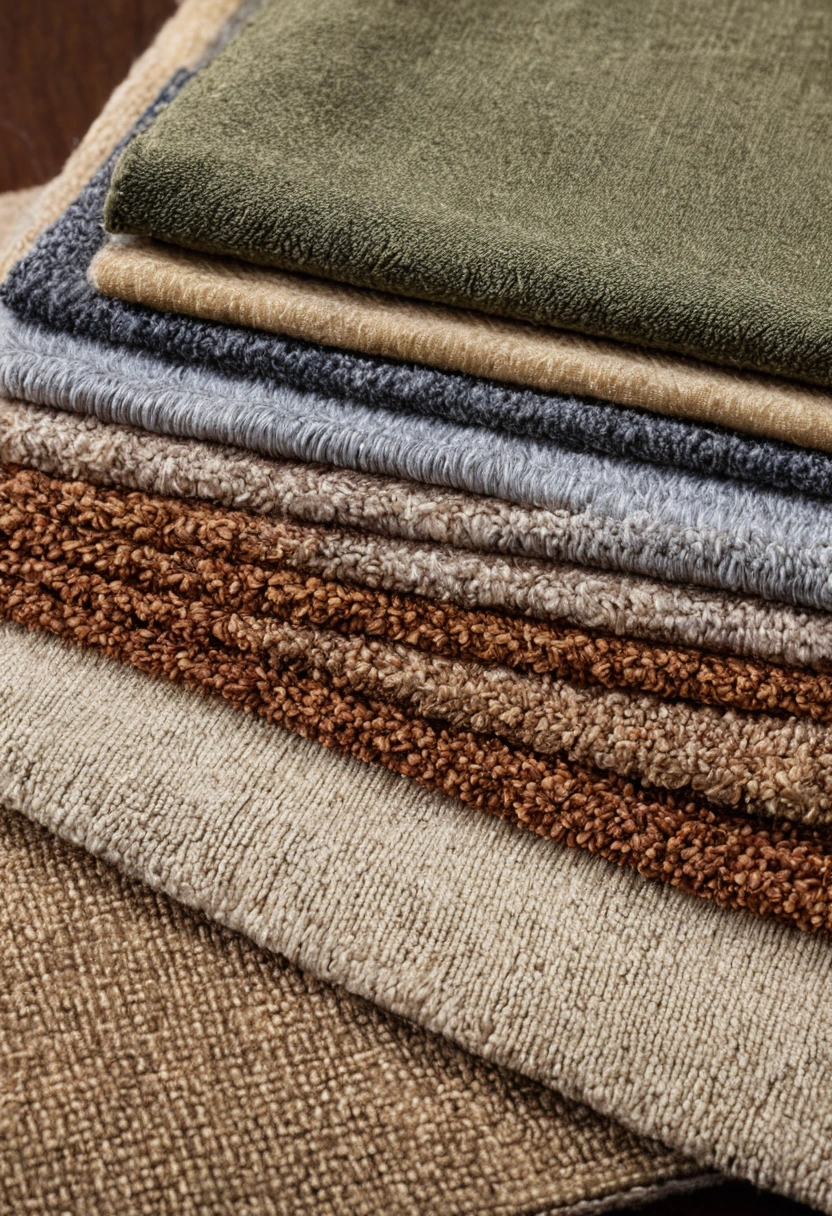
Fabrics and Rugs in Office Meeting Rooms
Chair fabric and a custom carpet can come from a single Italian maker such as Sarelli Textiles, but each still has to be judged on its own terms. In a meeting room, textiles have several visible and practical jobs: they affect how the room looks on arrival, how seating wears, how daylight is controlled and how people maintain the space. A rug or curtain may contribute to an acoustic scheme when specified as part of the complete room design.
Start with the meeting format
A boardroom with fixed chairs has different demands from a room reconfigured daily for workshops. List the normal group size, furniture layout, cleaning routine, video call position and access routes. Note where chairs roll, where refreshments are placed and which surfaces users touch most often. This short operational brief helps separate a decorative textile decision from a performance requirement. It also keeps the room from being designed solely for an empty photograph.
Draw the chair positions in use, not only when neatly pushed under the table. A loose rug may look attractive around the table yet interfere with rolling chairs or create an edge in the circulation path. If a fitted carpet is proposed, involve the installer early. The Carpet and Rug Institute (CRI) says an installation plan should show measurements, seam placement, direction and special conditions. Its installation guidance discusses how methods differ for rolling traffic and other uses. The choice of loose rug, carpet tile or broadloom belongs to the actual movement pattern.
Treat acoustics as a room problem
Soft materials can be useful in a meeting space, yet a rug alone does not solve speech privacy or echo. The U.S. General Services Administration's building guidance discusses acoustic comfort across the space and says soft floor finishes can reduce footfall and caster noise when they suit the room’s durability and cleaning needs. A separate GSA workplace guidance page treats acoustic systems as one part of renovation planning.
Ask an acoustical specialist to define the required speech privacy and reverberation performance for a room where those outcomes matter. A fabric wrapped panel needs a tested assembly; the face textile by itself does not prove sound absorption. A rug's backing, underlay, size and placement also affect the result. Record any acoustic performance claim for the installed system rather than attaching it to a generic material sample. This is especially important when the room has extensive glass or hard finishes.
Choose chair upholstery by use and care
Meeting chairs receive repetitive contact at the seat and arms, and they may be moved or stacked. Ask the furniture maker which upholstery constructions the chair is designed to accept. The Association for Contract Textiles (ACT) separates voluntary performance guidance by construction, intended application and location. Its overview covers abrasion, colorfastness, lightfastness, physical properties and flammability as different categories. A high abrasion number alone does not establish that the material is suitable for the chair and its cleaning routine.
ACT's abrasion disclaimer notes that flat laboratory abrasion does not cover every edge and use condition, and that cleaning and maintenance affect real performance. For a meeting room, ask for the current test sheet, care instructions and a sample on the proposed chair. Check the seam at the front edge, the feel of the fabric against clothing, and the way repeated chairs look side by side. If chairs will be stored or stacked, confirm those contact points with the furniture supplier.
| Element | Main task | Evidence to request |
|---|---|---|
| Chair upholstery | Comfort and repeated use | Approved application, test sheet and care guide |
| Floor textile | Define room and suit movement | Layout, installation method and maintenance plan |
| Window treatment | Control glare and privacy | Open/closed views and product information |
| Acoustic panel | Support room acoustic design | Tested assembly and specialist specification |
Plan the view on video calls
Look through the camera that will actually be used. A small high-contrast pattern can appear busy on screen; a large directional pattern may look unbalanced when the frame crops it. A plain wall can be useful, but a soft textile surface may add depth if it does not distract from faces. Test real material samples behind a seated person under the installed lighting. The U.S. Department of Energy explains that lamp color and object color rendering are distinct in its LED basics, so a textile chosen under showroom light should be checked in the meeting room.
Window treatment must work for both daylight and display use. A sheer may soften the view but fail to control direct sun on a screen; an opaque curtain may darken the room more than a daytime meeting requires. Assign each layer a job and test at the critical hour. The DOE's window guidance distinguishes heat gain, visible daylight and glare as separate considerations. While its page addresses residential products, that distinction is useful for framing a meeting-room brief without claiming a particular fabric has measured performance.
Keep the floor practical
For a loose rug, mark the edges with tape and move every chair through its normal range. Check door swing, accessibility routes and the route to the display or whiteboard. If a chair catches the rug edge, change the size, furniture position or floor solution before ordering. For fitted carpet, review seam positions and pile direction with the installer. CRI says seams cannot be assumed invisible and recommends careful placement in its FAQ. The finished floor should be judged in the room's natural light.
Cleaning access matters under a meeting table, around cable boxes and near refreshments. Ask whether facilities staff can reach the surface with their normal tools. Obtain the exact floor product's maintenance instructions and plan for spills. A design that requires a specialized cleaning response should be documented and accepted by the owner. The room's floor is used every day; its maintenance burden should be as visible in the specification as its color.

Make one coordinated specification
Record the fabric on each chair, the floor material and installation method, the window assembly, and any acoustic panel system. Include approved samples, product sheets, direction and care instructions. Ask each maker to verify that its material is suitable for the actual application. This avoids a common handoff problem in which each textile looks correct alone but the installed elements differ in shade, scale or maintenance needs.
The final review should happen with the room in use. Sit at the table, move a chair, run a video call, close the window treatment and listen from the relevant positions. The textiles should support the room's work while remaining easy to care for. When appearance, movement, light and acoustics are considered together, a meeting room feels composed because it has been designed for meetings rather than for an empty floor plan.
One useful acceptance walk is to simulate the busiest ordinary meeting. Move chairs out, bring in a display trolley if used, set a drink on the table and let a participant enter late. This reveals whether a rug edge falls in the route, whether curtains can be reached and whether fabric on the chair arms is likely to receive repeated contact. The test does not replace product performance data, but it makes the room's actual stresses visible. Adjust the layout or material choice while the design is still flexible.
Ask facilities staff to review the cleaning plan before sign-off. Their normal equipment and schedule determine whether the specified materials can be maintained as intended. A technically suitable textile that cannot be cleaned within the building's routine is a poor operational fit.
Retain the final samples and a simple room diagram with the specification. When a chair cover is repaired or a floor section replaced, the team can identify the approved material and its orientation without guessing from a photograph.